



Weather monitoring for power grids
Weather data for a clearer view of line capacity
Weather stations for Dynamic Line Rating (DLR) provide local measurements to assess how operating conditions change on overhead power lines.
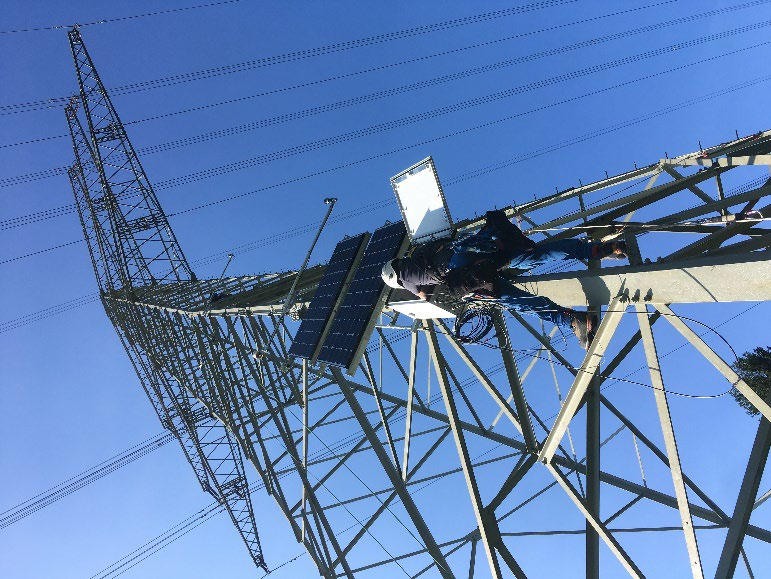
The application
What is Dynamic Line Rating?
The transmission capacity of an overhead line is related to conductor temperature. Wind, ambient temperature and solar radiation affect how the conductor heats and cools. Dynamic Line Rating uses these conditions, together with electrical data and line characteristics, to estimate a capacity that can change over time.
Representative local weather measurements help assess available capacity and support operating decisions with current information. Results depend on each line, sensor placement and the calculation method used.
Instrumentation
A station tailored to site conditions
Ammonit’s solution combines weather sensors, a Meteo-42 data logger, communications, and solar panels with battery power. Sensors can be installed at different heights according to the measurement goals.
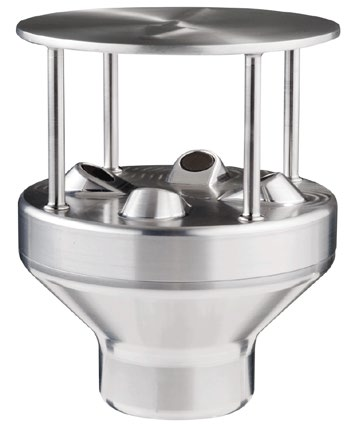
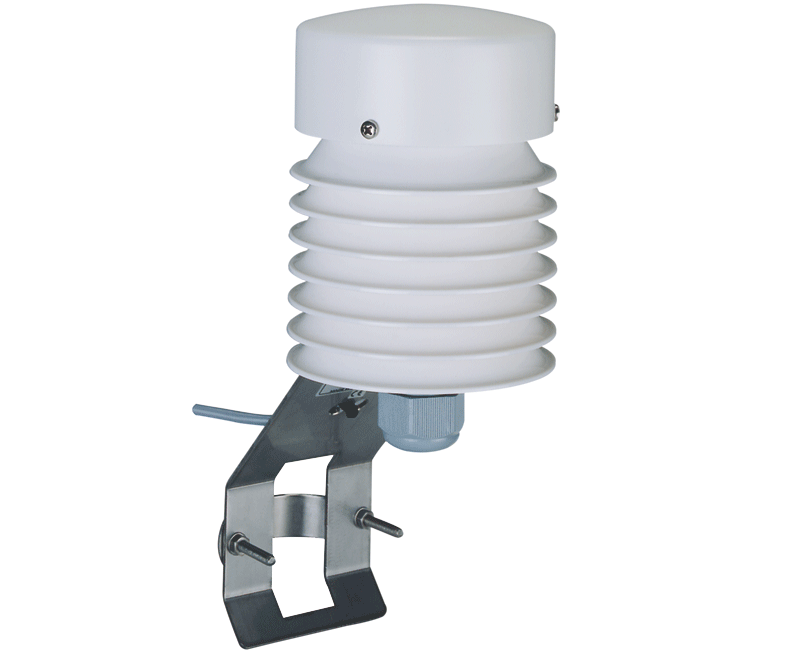
Heated configuration
For sites with icing risk, Ammonit presents a heated ultrasonic anemometer and an air temperature sensor alongside solar power and the Meteo-42 data logger.
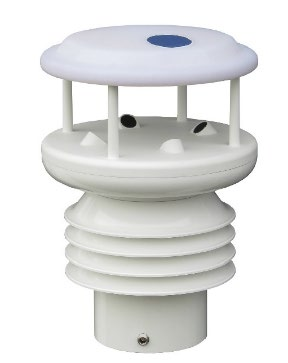
Unheated configuration
For other environments, the Clima Sensor US combines weather measurements in a system powered by solar panel and battery, with data logging via Meteo-42.
Measurement solutions
Let’s define the instrumentation for your project
Telener 360 distributes Ammonit measurement technology and provides technical advice, installation, calibration and verification of sensors and data loggers.
Dynamic capacity must be calculated and validated for each line. Hero image is illustrative; equipment photographs are from Ammonit’s material.


